We reviewed the leading lead attribution software platforms for B2B marketers based on their attribution capabilities, CRM integrations, setup requirements, and ideal use cases. The top picks for B2B in 2026 are:
- AttributeIQ: Best for granular, page-level multi-touch attribution from first visit to MQL, SQL, and closed-won revenue.
- Ruler Analytics: Best for matching ad clicks and conversions to CRM lead records.
- CallRail: Best for attributing phone-call leads back to campaigns and channels.
- Marketo Measure: Best for enterprise-grade, multi-touch mapping across B2B funnels.
- HubSpot Marketing Hub: Best for native, original-source lead tracking inside HubSpot.
- AnyTrack: Best for syncing lead conversion events to ad platforms for optimisation.
Best Lead Attribution Software Comparison Table for 2026
There’s no shortage of lead attribution platforms claiming they can show you what’s driving pipeline. The tricky part is figuring out which ones actually match how you measure, report on, and use marketing data. Some tools are designed to get marketers up and running quickly with campaign-level reporting. Others are built for more complex B2B journeys, pulling together CRM data, account activity, anonymous visits, and revenue signals.
We compared the best lead attribution software for 2026 based on what each platform is best at, how much setup they require, and where each one fits best.
1. AttributeIQ
Best for: Demand gen and content leaders using HubSpot and GA4 who need to prove which campaigns, pages, and channels are generating MQLs, SQLs, and closed-won revenue.
AttributeIQ is a multi-touch attribution platform built specifically for B2B marketers who need a defensible, highly granular view of how their digital footprint generates leads. It combines GA4 engagement data with your CRM’s lead records to show which pages, campaigns, and channels influenced each conversion throughout the buyer journey.
Property
Attribution
Account
jent@nexa.com

Page Influence
Track page-level impact on pipeline volume and closed-won revenue performance.
Total Pipeline
£40.80k
Total Journeys
22
Top High-Value Page
/b2b-sales-lead-scoring
Most Balanced Page
/sales-rep-onboarding
Pipeline by Conversion Event
All pipeline · click an event to filter the journeys below
Pipeline Share
Share of pipeline by conversion event
£40.80k
Pages by Influenced Pipeline
Pricing starts at £89/month on the Starter plan, which covers page-level and multi-touch lead attribution across your site. The Pro plan at £149/month adds CRM-connected revenue attribution, Board Summary with PPTX exports, and buyer intent alerts triggered by content re-engagement. Both plans include a 14-day free trial with no credit card required. See full pricing.
Core Features
Journey Explorer provides a contact-level view of every touchpoint from first visit to lead to closed deal, including website visits, content interactions, and conversion events. Instead of saying “this content probably helped,” teams can pull up any lead and trace their full journey, from the first article they read to the pages they engaged with before converting.
Board Summary gives teams an executive view of how marketing activities contribute from lead creation through to pipeline and closed-won revenue. Instead of reporting on lead volume alone, B2B teams can show which channels, campaigns, and content are influencing the leads that turn into real opportunities and customers.
Property
Attribution
Management
Account
jane@nexa.com
Board Summary
Export a board-ready summary of marketing’s influence on pipeline and revenue.
Q2 2026 · Board Summary · 1 Apr 2026 – 30 Jun 2026
Qualified Pipeline
£4.1M
from 47 contacts
Total Revenue
£1.27M
from 14 closed deals
Avg Closed Deal
£90.7k
from 14 closed deals
Top Account
Nexa
£340k influenced
Deal Tracking & Alerts helps teams monitor high-intent activity from leads and opportunities as they engage with key assets. Whether a prospect is viewing pricing pages, reading case studies, or exploring technical content, teams can see which interactions signal buying intent and which leads are moving closer to a sales conversation.
Pros
- Live lead and pipeline attribution in under 24 hours. Enterprise attribution platforms often require weeks of tracking setup, data engineering, and analytics resources before teams can understand what is influencing pipeline. AttributeIQ connects with tools like GA4 and HubSpot to quickly show which channels, pages, and campaigns are contributing to lead generation and revenue.
- Quality-based lead attribution filtering. Teams can analyse attribution data based on lead quality stages, making it easier to identify which marketing sources are generating qualified prospects rather than simply driving the highest number of conversions.
- Accessible pricing for B2B teams. Starting at £89/month, AttributeIQ provides channel, content, and lead attribution capabilities without the enterprise-level contracts and complex implementations typically associated with larger attribution platforms.
- No dashboard dependency for attribution questions. Pro users can ask attribution questions conversationally through Claude-powered analytics instead of manually building reports to understand which marketing efforts are influencing leads and pipeline.
Cons
- No retroactive lead attribution before installation. AttributeIQ starts capturing attribution data once tracking is implemented, meaning it cannot reconstruct previous lead journeys or determine which channels influenced leads that converted before setup. Teams with long B2B sales cycles may need time for enough new attribution data to build up.
- Limited CRM ecosystem support. AttributeIQ works best for teams using supported platforms like HubSpot and GA4. Organisations running other CRM systems may need to evaluate whether the available integrations support their attribution needs.
- Starter plan limits multi-property tracking. The Starter tier supports a single GA4 property, which may not fit organisations managing multiple regional websites, brands, or separate digital properties. Teams with broader tracking requirements will need the Pro plan.
Prove which marketing efforts drive qualified leads
AttributeIQ gives your team a clear view of which channels, campaigns, and content influence MQLs, SQLs, and pipeline, from first touch through revenue impact. Starts at £89/mo. Live in under 24 hours.
Try it free for 14 days →2. Ruler Analytics
Best for: Marketers who need a closed-loop view across paid channels, forms, chat, and calls, all tied back to CRM-verified revenue.
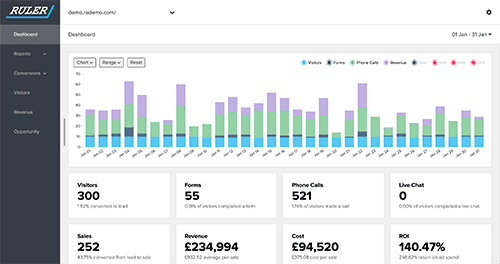
Ruler Analytics combines first-party conversion tracking with CRM data to create a closed-loop attribution layer across marketing channels. Teams can trace leads from their original acquisition source through qualification and revenue stages, providing a clearer view of marketing performance beyond surface-level conversion metrics.
Pricing
Starts at £199/month, scaling based on website traffic, conversion volume, and tracking requirements.
Core Features
- Marketing-to-CRM lead attribution. Connects ad clicks, website conversions, and offline interactions with CRM lead records to show where opportunities originated.
- Multi-channel customer journey tracking. Tracks interactions across paid campaigns, website visits, forms, chat, and calls to build a complete view of how leads move toward conversion.
- Revenue feedback to ad platforms. Sends qualified lead and revenue signals back to platforms like Google Ads and Meta to help optimise campaigns beyond basic conversion volume.
Cons
- Less focused on content and organic attribution. Teams primarily looking to understand which pages, articles, or organic channels influence leads may find Ruler more geared toward paid acquisition and conversion tracking.
- Implementation can require more setup. Building accurate connections between marketing channels, tracking sources, calls, and CRM outcomes may take longer than lighter attribution tools.
3. CallRail
Best for: Businesses where phone calls are a primary conversion channel and need to connect offline conversations back to their marketing sources.
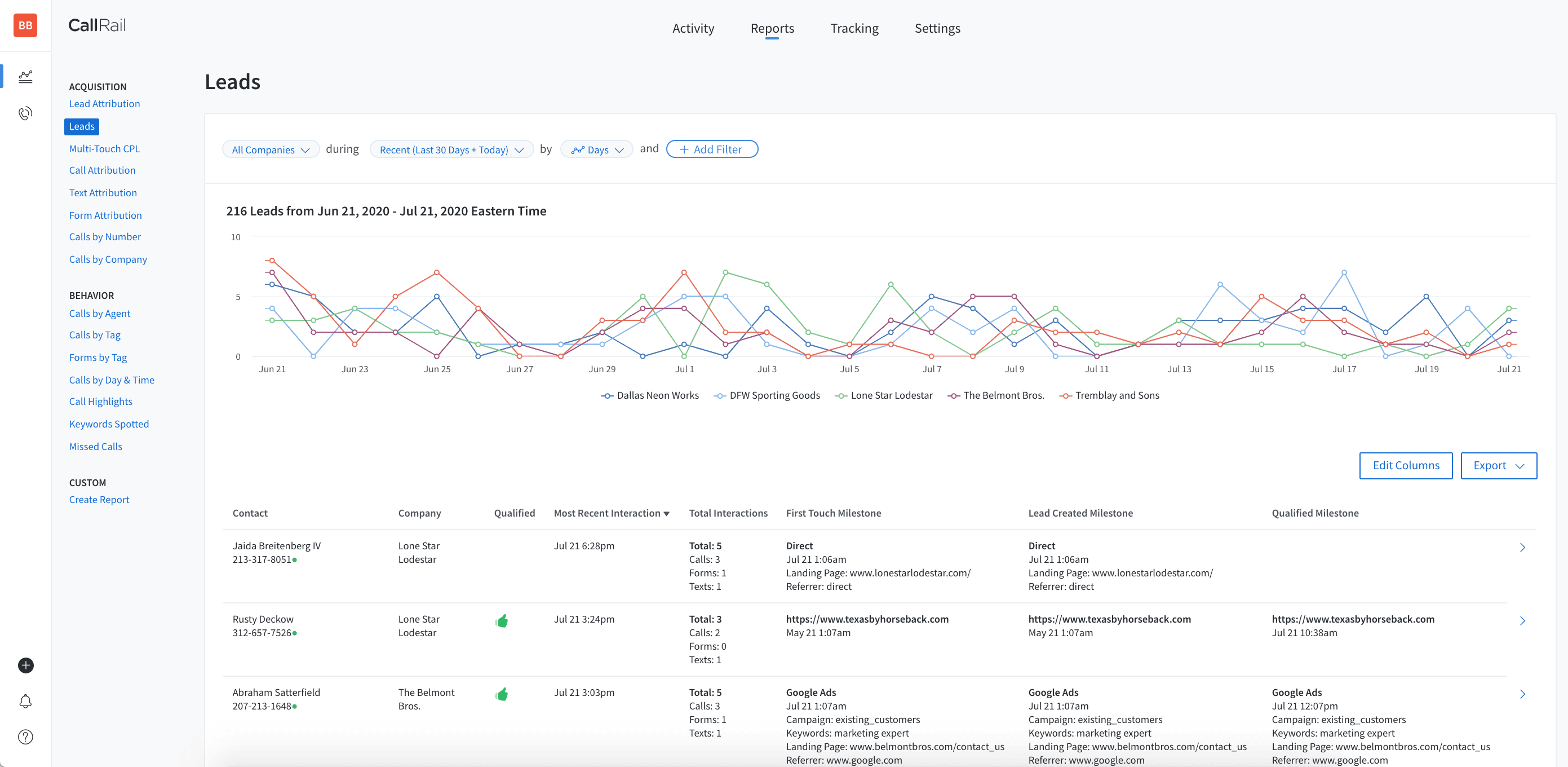
CallRail helps businesses attribute phone-driven leads by connecting inbound conversations with the marketing activity that generated them. Using call tracking and dynamic number insertion, teams can see which campaigns, channels, and website interactions are driving phone enquiries, giving them a clearer view of lead sources beyond traditional online conversions.
Pricing
Plans start at $45/month for basic call tracking, with conversational intelligence and form tracking available on higher tiers.
Core Features
- Dynamic Number Insertion (DNI). Assigns unique phone numbers based on visitor source, allowing teams to attribute inbound calls back to the campaigns and channels that generated them.
- Lead source tracking across calls and forms. Captures phone and web enquiries in one place, helping teams understand which marketing sources are generating inbound leads.
- Conversation intelligence. Transcribes and analyses calls to identify lead quality signals and understand which conversations are turning into valuable opportunities.
Cons
- Primarily focused on call-driven attribution. Teams that rely mainly on digital conversions, content engagement, or longer online buying journeys may need a broader attribution platform.
- Limited multi-touch journey visibility. CallRail is strong for connecting calls back to marketing sources, but it is not designed to provide deep attribution across every digital touchpoint in a buyer journey.
4. Marketo Measure (Bizible)
Best for: Enterprise B2B teams that need advanced multi-touch attribution across complex buyer journeys and CRM-driven revenue reporting.
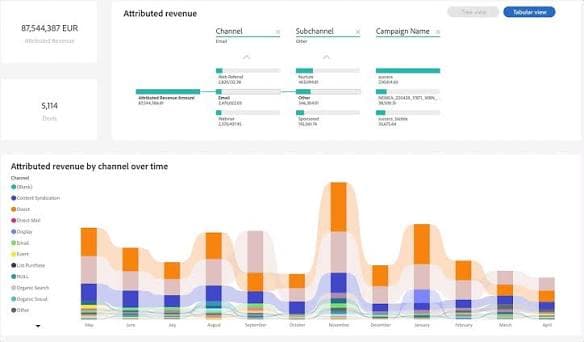
Marketo Measure (formerly Bizible) is built for enterprise teams that need to understand how multiple marketing interactions contribute to pipeline and revenue over long sales cycles. It applies multi-touch attribution models across channels, campaigns, and lead journeys, helping teams assign credit across the different touchpoints involved before a deal closes.
Pricing
Custom enterprise pricing, typically starting around $20,000 to $30,000+ per year, depending on database size, CRM setup, and reporting requirements.
Core Features
- Advanced multi-touch attribution models. Supports attribution frameworks such as U-shaped and W-shaped models to distribute credit across the marketing interactions that influence lead creation and pipeline.
- Cross-channel buyer journey tracking. Combines digital interactions, campaigns, and offline marketing activity to provide a broader view of how leads progress through the funnel.
- Enterprise CRM integration. Connects attribution data with CRM records to help teams report on how marketing touchpoints influence opportunities and revenue.
Cons
- Requires significant implementation effort. Enterprise deployments often involve CRM alignment, data mapping, and RevOps resources before teams can get reliable attribution reporting.
- Overbuilt for simpler attribution needs. Teams looking for straightforward lead source tracking or content attribution may find the platform more complex than necessary.
5. HubSpot Marketing Hub
Best for: Marketing teams already using HubSpot that need built-in lead source tracking and campaign reporting within their existing platform.
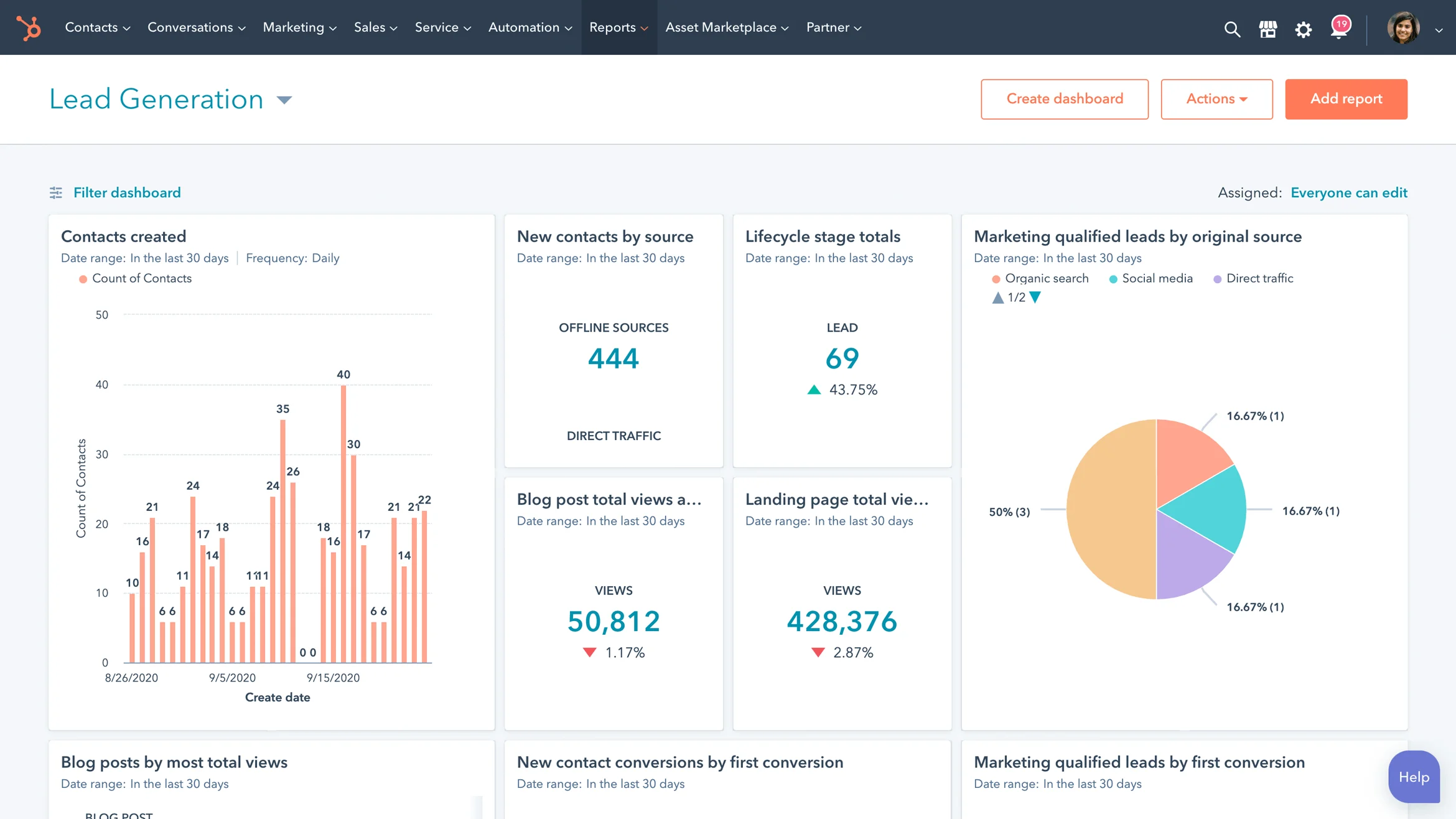
HubSpot Marketing Hub provides native lead attribution for teams that already manage their website, forms, campaigns, and CRM data inside the platform. It automatically captures lead sources, campaign interactions, and lifecycle stages, giving marketers a straightforward view of where leads originate and how they progress through the funnel without relying on a separate attribution tool.
Pricing
Lead attribution reporting requires the Professional or Enterprise tier, starting at $890/month.
Core Features
- Original source tracking. Automatically records how leads first discovered a business, such as through organic search, paid campaigns, referrals, or social channels.
- Campaign attribution reporting. Groups marketing activities across emails, landing pages, and campaigns to show how different initiatives contribute to lead generation.
- Lifecycle stage tracking. Connects marketing interactions with CRM lifecycle stages, helping teams monitor how leads progress from initial conversion through qualification.
Cons
- Limited attribution flexibility. Teams looking for highly customised attribution models or deeper analysis across complex buyer journeys may find HubSpot’s native reporting restrictive.
- Limited pre-lead journey visibility. HubSpot focuses primarily on tracked contacts inside the CRM and does not provide the same depth of anonymous visitor journey analysis that dedicated attribution platforms like AttributeIQ provide.
6. AnyTrack
Best for: Performance marketing teams that need to capture lead conversions and send reliable attribution signals back to advertising platforms.
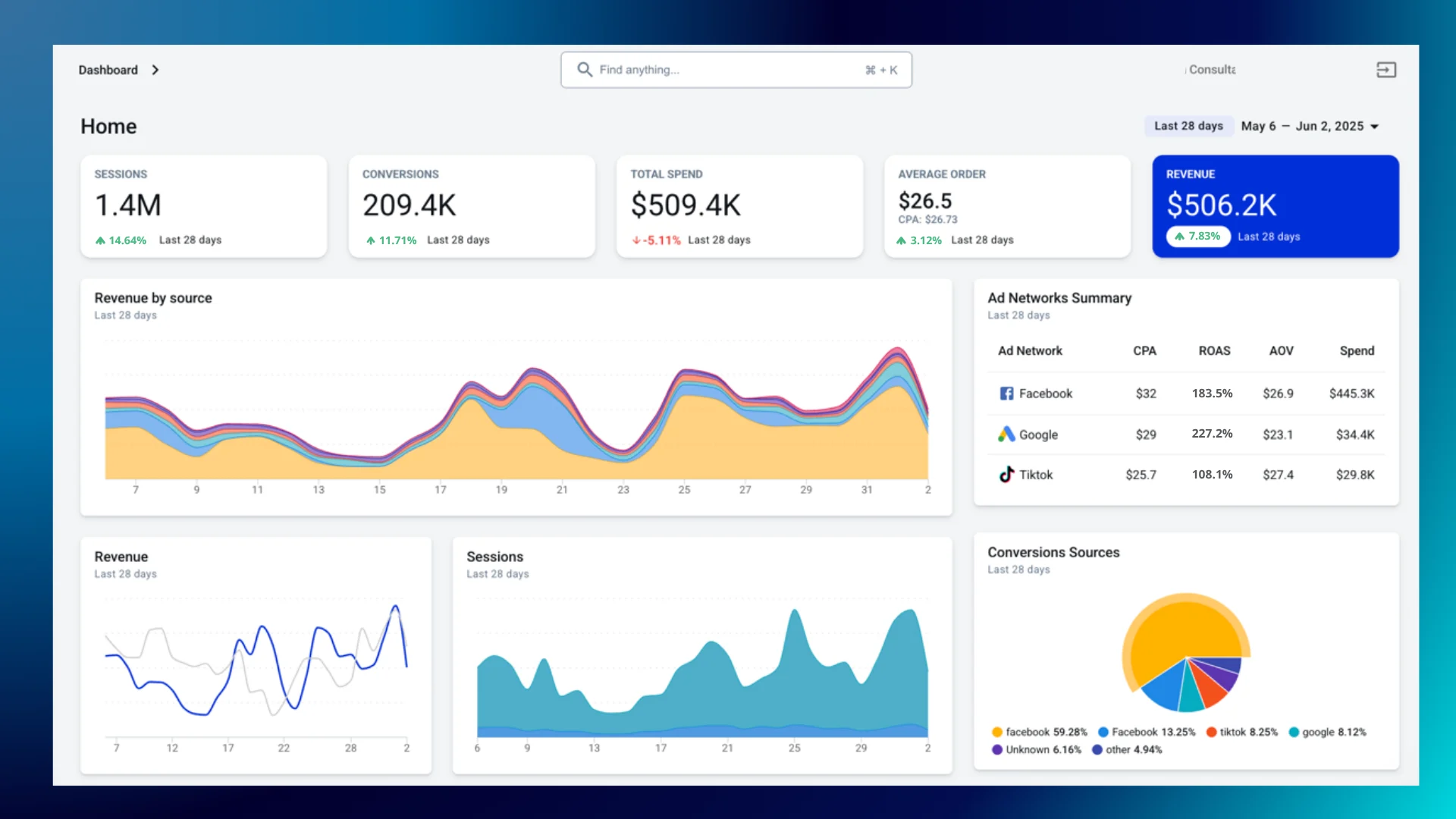
AnyTrack helps marketers improve paid campaign optimisation by connecting website conversions with advertising platforms. It captures lead events from websites, forms, and third-party tools, then sends that conversion data back to platforms like Google Ads, Meta, and TikTok so campaigns can optimise around actual lead activity rather than basic clicks or page views.
Pricing
Starts at $50/month for basic tracking, scaling based on website traffic, sessions, and tracked conversions.
Core Features
- Ad platform conversion syncing. Sends lead conversion events directly to platforms like Google Ads, Meta, and TikTok to help optimise campaigns around higher-quality conversion signals.
- Multi-source lead tracking. Captures conversions from websites, forms, and third-party tools such as Typeform and Calendly, helping teams connect lead activity with acquisition sources.
- Server-side tracking capabilities. Uses cookieless tracking methods to maintain conversion visibility when browser restrictions limit traditional tracking.
Cons
- More focused on conversion optimisation than attribution analysis. Teams looking for detailed lead journeys, content influence, or pipeline attribution may need a dedicated attribution platform.
- Limited buyer journey visibility. AnyTrack shows where conversions originate and how data flows to ad platforms, but it does not provide deep insight into the full path leads take before converting.
How to Choose the Best Lead Attribution Software for Your Team
Now that you’ve seen how these six platforms compare, the right choice comes down to your team’s setup, priorities, and available resources. Start with these four questions.
1. How do leads enter your funnel?
- Web forms and content downloads: Choose a tool like AttributeIQ if you want to connect a lead’s website activity, such as pages viewed and content engaged with, to the form they eventually submit.
- Phone calls: CallRail is the stronger fit if calls are a major source of leads and you need to connect them to marketing activity.
- Third-party forms and booking tools: If leads convert through platforms such as Calendly or Typeform, look for a tool like AnyTrack that supports webhooks and flexible integrations.
2. Are you optimising ads or content?
- If your main goal is improving paid acquisition, especially sending conversion data back to Google Ads to reduce CPL, Ruler Analytics or AnyTrack may be the better choice.
- If you want to understand which blog posts, case studies, and website pages help turn visitors into leads, AttributeIQ is more suited to that job. It gives you a clearer view of the content people engage with before they convert.
3. How much technical support is available?
- Teams without engineering or RevOps support: Will usually benefit from a simpler setup. AttributeIQ, for example, requires a single tracking script and can provide attribution data without a lengthy implementation.
- Dedicated RevOps or marketing operations team: You may be able to take on a more involved platform such as Marketo Measure, particularly if you need complex data mapping and advanced attribution models.
4. Do you need capture reporting or the full journey?
- Basic CRM tracking often tells you only where a lead converted, the page containing the form or the source recorded at that moment. That’s useful, but it doesn’t explain how the lead found you or what influenced them beforehand.
- If you need to connect the first touch, later interactions, and conversion, choose a multi-touch platform such as AttributeIQ or Ruler Analytics. That additional context can help you see whether a lead arrived through organic search, paid media, content, or another channel before submitting a form.
6 Lead Attribution Software Evaluation Mistakes That Hurt ROI
Lead data is only as good as the logic behind it. Even the best tool will produce misleading reports if the wrong touchpoint gets the credit, or if no one owns the data hygiene behind it.
A useful question to ask any lead attribution vendor is: Can this platform show which marketing activities created qualified leads and which of those leads eventually turned into pipeline and revenue?
First 90 Days: Proving ROI with Your Lead Attribution Software
A lead attribution platform only creates value once teams trust the data and use it to make better decisions. The first 90 days should focus on connecting marketing activity to real lead outcomes, identifying the sources generating qualified prospects, and improving where budget is allocated.
Frequently Asked Questions
Choosing the right lead attribution software comes down to understanding how your buyers research and how your team captures their information. Connect your CRM, trace the exact journeys your best prospects take, and stop guessing which campaigns are actually generating demand. Try AttributeIQ free for 14 days and see for yourself.